Sustainability
How reusing industrial packaging fits a circular economy.
Get a Free Quote
Circular Economy in Action
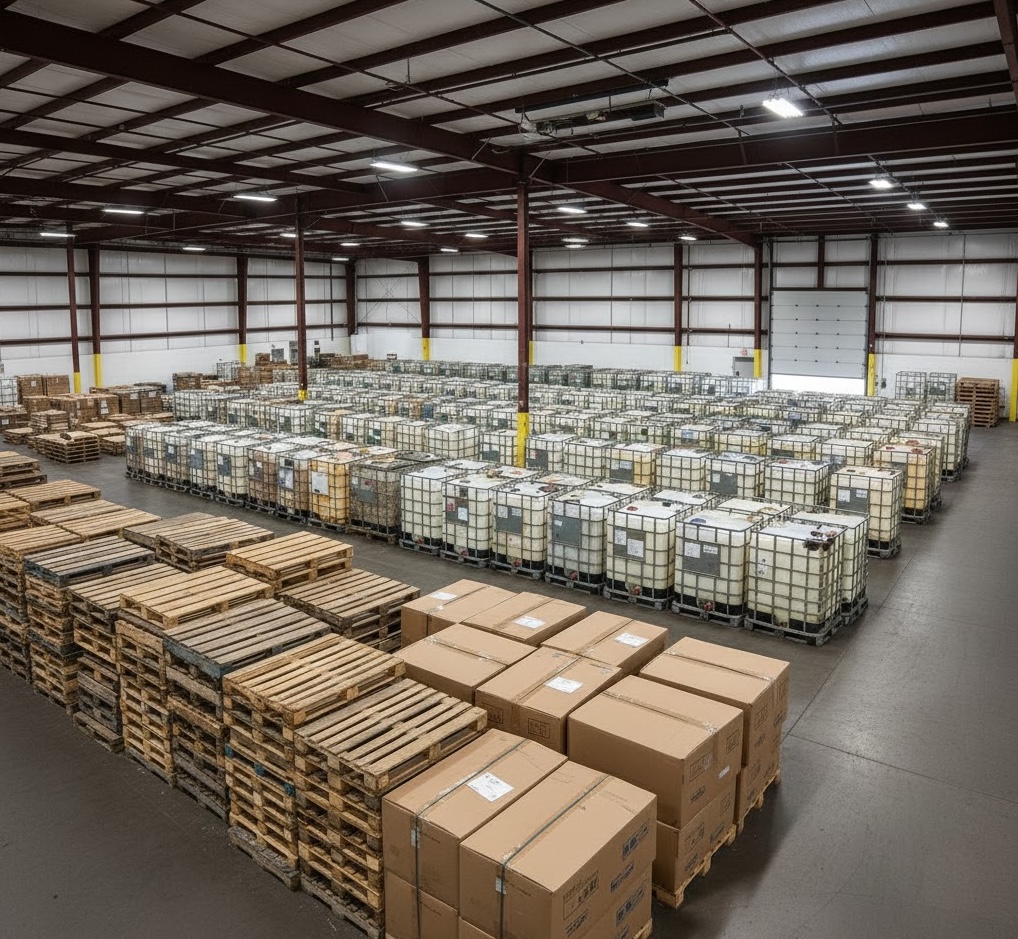
Montreal Packaging connects businesses in Greater Montreal with partner suppliers of used packaging. Giving a gaylord box, pallet, or IBC tote a second life through reuse or repair means one less item that needs to be made new, and recycling at end of life recovers the material.
Reuse First
Used gaylords, pallets, and totes that still do the job can go back into service instead of being replaced with new ones.
A reused box is one that doesn't need to be made new
Repair
Repair of damaged pallets and other packaging is available through partner suppliers.
Repairing can keep a usable item in service longer
Recycling
When packaging reaches end of life, recycling is available through partner suppliers.
Materials can be recovered instead of discarded
Local Sourcing
Requests from Greater Montreal are routed to partner suppliers serving the area.
Sourcing closer to you can mean shorter trips
Environmental Benefits of Used Packaging
How the Circular Loop Works
Collect
Surplus packaging is picked up from businesses
Sort & Grade
Items are sorted by condition
Repair if Needed
Damaged items can be repaired
Reuse
Usable packaging gets a second life
Recycle
End-of-life materials go to recycling
Things to Check Before You Reuse
Reuse works best when the packaging suits the job. Confirm these points with the partner supplier.
ISPM 15 for Export
Wood pallets for export usually need ISPM 15 heat treatment and marking. Check current regulations for your destination.
Previous Contents
Before reusing an IBC tote, ask the partner supplier what it held and how it was cleaned, and check the rules that apply to your use.
Local Recycling Options
Recycling options for cardboard, wood, and plastic differ. A partner supplier can tell you what they accept.
Choose Reused Packaging
Send a free, no-obligation quote request for used packaging, or to sell your surplus, and a partner supplier in Greater Montreal will follow up.